Routines
Skin barrier repair: signs, causes and a gentle routine
If products that never bothered you suddenly sting, your skin barrier may need a break. The fix is usually less, not more.
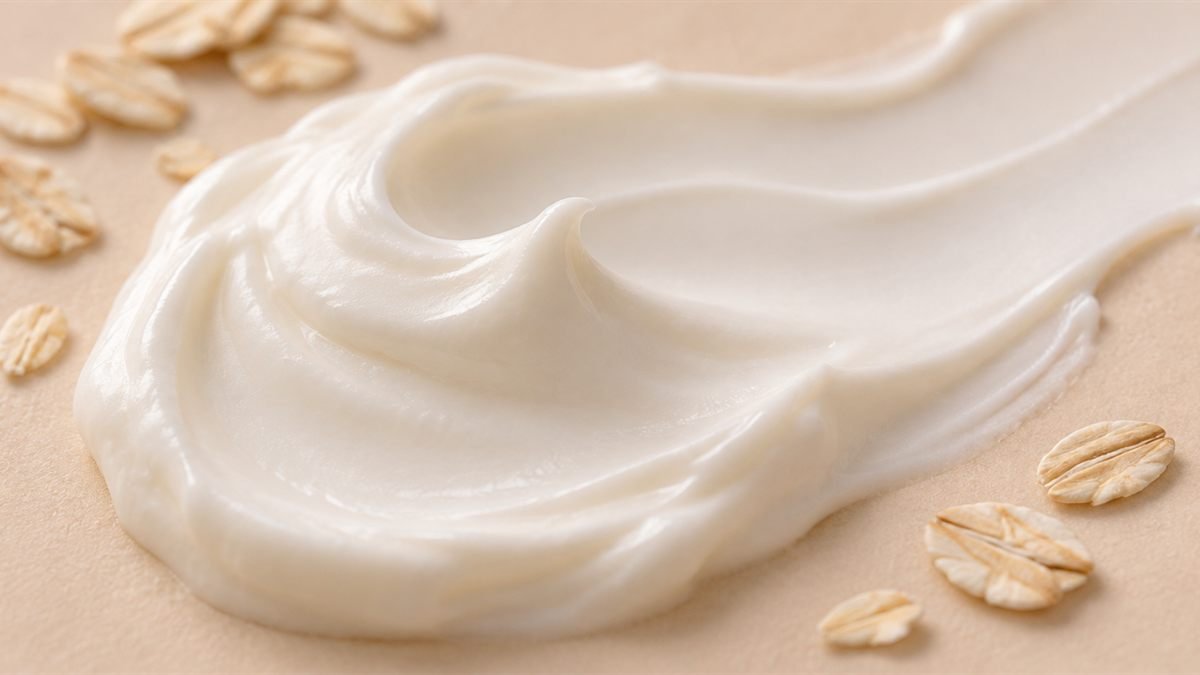
What the skin barrier is
The skin barrier is the outermost layer of your skin: flattened cells held together by lipids (ceramides, cholesterol and fatty acids). It keeps water in and irritants out. When it's healthy, skin looks smooth and reflects light evenly, which is the foundation of glass skin.
Signs your barrier needs help
- Stinging or burning when you apply plain moisturizer or water
- Tightness after cleansing, even with a gentle cleanser
- New redness, rough patches or flaking
- Skin that looks shiny but feels sore or "tight-shiny"
- Products you've used for months suddenly irritating you
Common causes
- Over-exfoliating: daily acids, scrubs or peels, or several exfoliants at once
- Too many actives: retinoids, vitamin C and acids all introduced together
- Harsh cleansing: very foamy cleansers, hot water and long scrubbing
- Weather: cold, wind, dry indoor heating, or sunburn
- Fragrance and essential oils, for some people
The barrier reset routine
For the next few weeks, pause all exfoliants, retinoids and strong vitamin C. Keep it this simple:
Morning
- Rinse with lukewarm waterSkip cleanser if your skin isn't oily.
- Hydrating serum on damp skinGlycerin or hyaluronic acid.
- Fragrance-free barrier creamLook for ceramides, cholesterol and fatty acids.
- Gentle SPF 30+Mineral formulas are often well tolerated.
Evening
- Gentle cleanser or cleansing balmTo remove sunscreen. Rinse with lukewarm water.
- Hydrating serumSame as the morning.
- Richer barrier creamA thin layer of balm on very dry patches if needed.
Ingredients that may help
| Ingredient | What it does |
|---|---|
| Ceramides, cholesterol, fatty acids | Replenish the lipids the barrier is made of |
| Glycerin, hyaluronic acid | Draw water into the outer layer |
| Panthenol, allantoin, colloidal oatmeal | Help soothe and comfort skin |
| Low-strength niacinamide | May support the skin's own ceramide production. Add it once skin is calm. |
| Petrolatum or squalane | Seal in moisture on very dry areas |
Bringing actives back
Once your skin feels comfortable again (timing varies from person to person), reintroduce one active at a time, at a lower frequency than before. Our dry and sensitive routine shows gentle options.
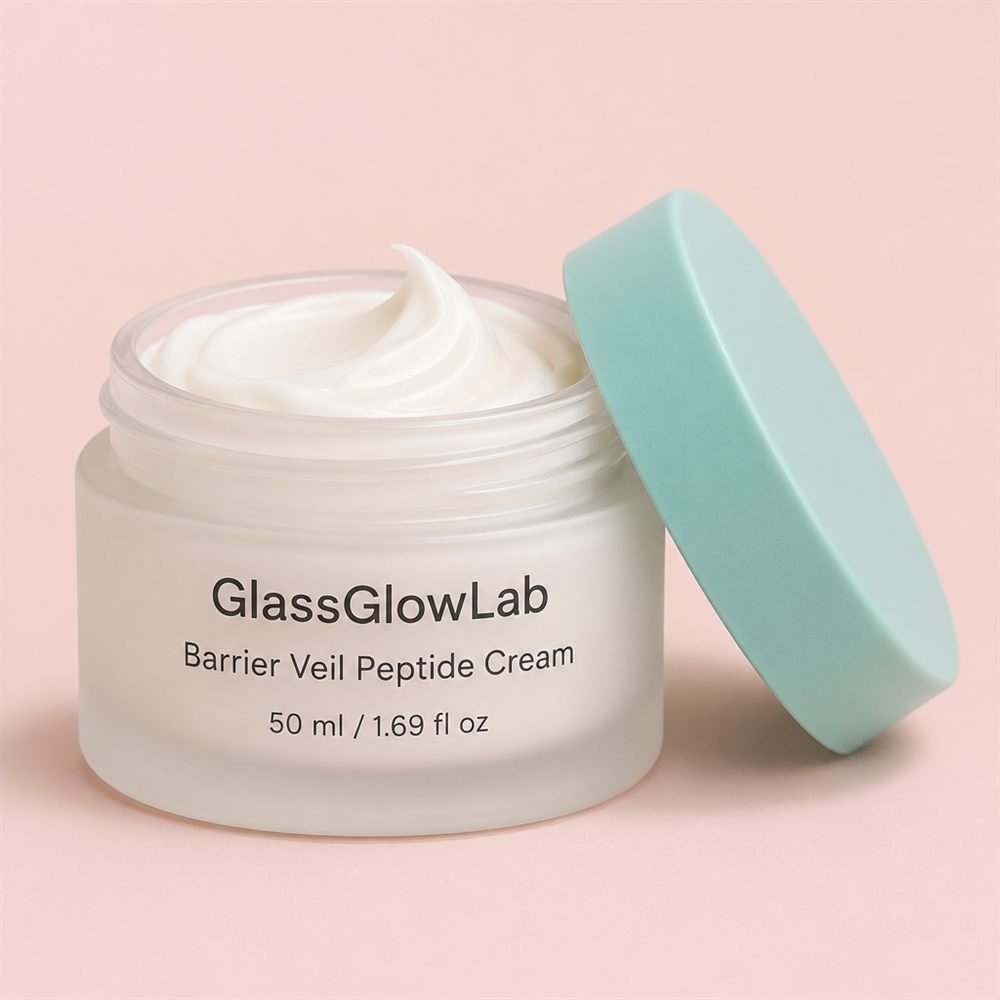
From our shop: Barrier Veil Peptide Cream ($32): ceramides, peptides and squalane in a fragrance-free cream.
When to see a dermatologist
If your skin is itchy, cracked, weeping or not improving with a gentle routine, it may be eczema, dermatitis or an allergy. A dermatologist can diagnose and treat it properly.
Patch-test before you start. Apply a small amount to a discreet area, such as behind the ear, the side of the neck or the inner forearm, once a day for several days. Mild, brief tingling can be normal with some actives. If you notice burning, swelling, itching, blistering or a rash, wash it off and stop using the product. A patch test lowers the risk of a reaction but can't rule one out, so introduce one new product at a time.
FAQ
How long does it take to repair a damaged skin barrier?
It varies. Many people notice their skin feels calmer once irritants are removed, but full recovery depends on the cause and your skin. Be patient and keep the routine simple.
Should I stop all skincare to repair my barrier?
Not entirely. Keep a gentle cleanse, a moisturizer and sunscreen. Pause the actives and exfoliants.
Can a damaged barrier cause breakouts?
An irritated barrier can make skin more reactive, and some people notice more breakouts. Calming the skin often helps.
Is niacinamide good for barrier repair?
At low strengths it may help support the barrier, but add it once your skin has calmed down rather than during a flare.
References
- American Academy of Dermatology Association. Dermatologists' tips for relieving dry skin. aad.org.
- Gehring W. Nicotinic acid/niacinamide and the skin. Journal of Cosmetic Dermatology. 2004;3(2):88–93.
- Fluhr JW, Darlenski R, Surber C. Glycerol and the skin: holistic approach to its origin and functions. British Journal of Dermatology. 2008;159(1):23–34.
Related articles


Disclaimer: The content on GlassGlowLab is for educational purposes only and is not medical advice. It is not a substitute for advice from a qualified dermatologist or doctor. Individual results vary. Always patch-test new products and consult a professional if you have a skin condition, are pregnant or breastfeeding, or take medication.