Ingredients
How to start retinol without irritation: a week-by-week plan
Retinol is one of the best-studied ingredients for texture and fine lines, and also the one people most often rush. Going slowly is what makes it work long term.

Skip retinoids if you're pregnant, breastfeeding or trying to conceive. If you have rosacea or eczema, or use prescription skincare, ask a dermatologist first.
Before you start
- Your skin should be calm. If it's currently red, flaky or stinging, repair your barrier first.
- Pick a low strength. Around 0.1–0.3% retinol is a sensible first step. Retinal (retinaldehyde) is stronger, so save it for later.
- Pause other exfoliants (AHAs, BHAs, scrubs) for the first month.
- Commit to daily SPF. Retinoids can make skin more sensitive to the sun. See our SPF guide.
The week-by-week plan
| Weeks | How often | Notes |
|---|---|---|
| 1–2 | 2 evenings a week | For example Monday and Thursday. Use the sandwich method if you're sensitive. |
| 3–4 | 3 evenings a week | Only if your skin is comfortable. Some dryness is common. |
| 5–8 | Every other evening | Many people stay here long term. |
| After 8 | Up to nightly, if needed | Not required. Consistency matters more than frequency. |
If irritation appears at any stage, step back to the previous frequency for a week or two. There's no prize for going fast.
How to apply it
- Cleanse, then wait until skin is dryDamp skin can increase stinging.
- Use a pea-sized amountFor the whole face. Dot it on the forehead, cheeks and chin, then spread thinly.
- Avoid sensitive spotsEyelids, the corners of the nose and mouth, and the lips.
- MoisturizeA ceramide or peptide cream on top helps comfort.
The sandwich method: moisturizer, then retinol, then moisturizer again. It softens the effect while your skin adjusts.
What's normal, and what isn't
Common at first
- Mild dryness or light flaking
- Slight tightness or pinkness
- A few small breakouts where you usually get them
Stop and get advice
- Burning, swelling or blistering
- Raw, cracked or weeping skin
- A rash or breakouts in new areas
Texture changes are gradual, usually over months rather than weeks, and results vary from person to person.
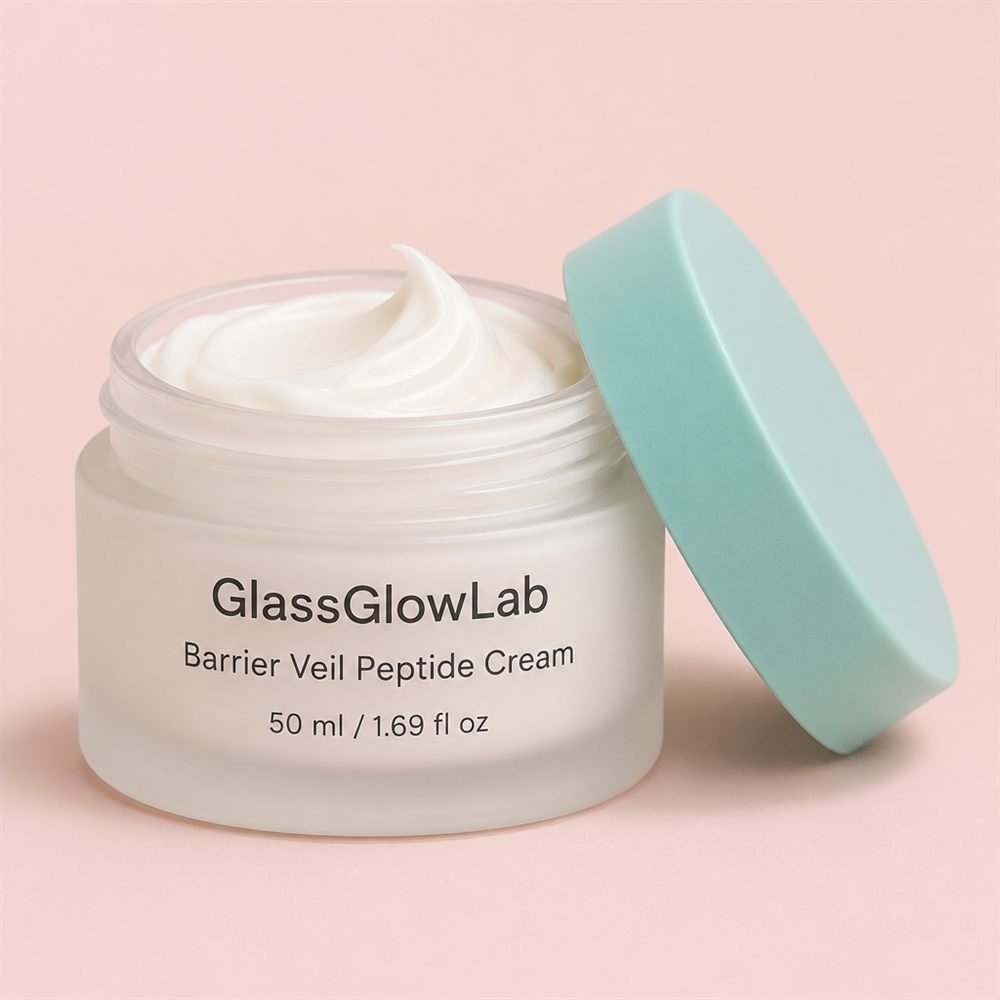
From our shop: Barrier Veil Peptide Cream ($32) is a fragrance-free ceramide and peptide cream that works well for the retinol "sandwich".
Patch-test before you start. Apply a small amount to a discreet area, such as behind the ear, the side of the neck or the inner forearm, once a day for several days. Mild, brief tingling can be normal with some actives. If you notice burning, swelling, itching, blistering or a rash, wash it off and stop using the product. A patch test lowers the risk of a reaction but can't rule one out, so introduce one new product at a time.
FAQ
How long does retinol take to adjust to?
Many people find the first few weeks the most noticeable for dryness. Building frequency slowly over about two months helps most skin adjust comfortably.
Can I use retinol every night as a beginner?
It's better not to. Start with two evenings a week and increase only if your skin stays comfortable.
Can I use vitamin C and retinol in the same routine?
Yes, at different times: vitamin C in the morning and retinol in the evening.
Is retinol purging real?
Some people get small breakouts in their usual areas during the first weeks as cell turnover speeds up. Breakouts in new areas, or a rash, are more likely a reaction.
References
- Mukherjee S, Date A, Patravale V, Korting HC, Roeder A, Weindl G. Retinoids in the treatment of skin aging: an overview of clinical efficacy and safety. Clinical Interventions in Aging. 2006;1(4):327–348.
- Kafi R, Kwak HSR, Schumacher WE, et al. Improvement of naturally aged skin with vitamin A (retinol). Archives of Dermatology. 2007;143(5):606–612.
Related articles


Disclaimer: The content on GlassGlowLab is for educational purposes only and is not medical advice. It is not a substitute for advice from a qualified dermatologist or doctor. Individual results vary. Always patch-test new products and consult a professional if you have a skin condition, are pregnant or breastfeeding, or take medication.