Ingredients
Hyaluronic acid vs glycerin: which hydrates better?
Hyaluronic acid gets the hype, but glycerin quietly does a lot of the work in most moisturizers. Here's how they compare, and why you don't have to choose.
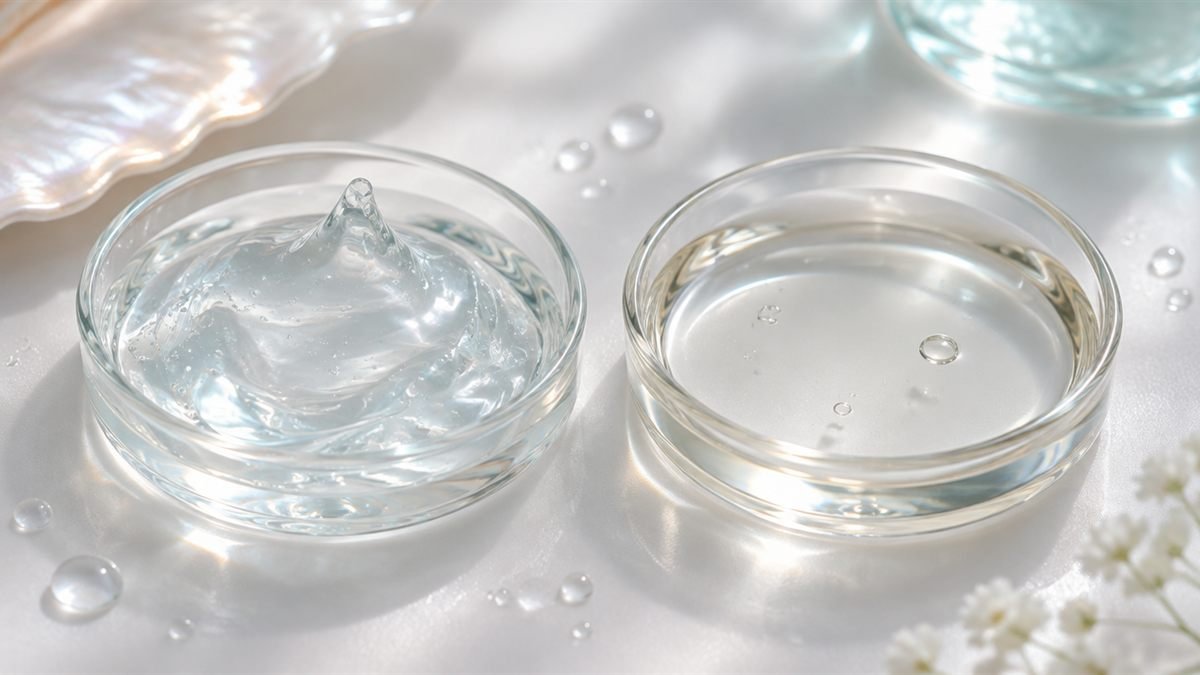
Both are humectants
A humectant attracts and holds water. Both hyaluronic acid and glycerin pull water into the outer layer of skin, which helps it look plumper and smoother and reflect light more evenly. That's the core of the glass skin look.
Side-by-side comparison
| Hyaluronic acid | Glycerin | |
|---|---|---|
| What it is | A large sugar molecule your skin makes naturally | A small molecule, also naturally present in skin |
| How it works | Holds water and forms a light hydrating film on the surface | Small enough to move into the outer layers and help them hold water |
| Research | Well studied, often in multi-weight forms | One of the most studied moisturizing ingredients |
| Feel | Light, slippery, never sticky at normal strengths | Can feel tacky at high levels |
| Cost | Higher | Very low |
| Best for | Light, dewy hydration, especially under other layers | Deep, reliable everyday hydration |
So which is better?
Neither wins outright. Glycerin is a workhorse with decades of research behind it, and it's in most good moisturizers. Hyaluronic acid gives a lighter, bouncier feel and layers beautifully. The overall formula matters more than any single humectant, which is why many of the best products contain both.
- Oily skin: a light HA serum and a gel moisturizer with glycerin.
- Dry skin: both humectants, sealed in with a richer cream (ceramides, squalane).
- Sensitive skin: either works. Choose fragrance-free formulas.
How to get the most from either
- Apply to damp skinHumectants need water to hold on to.
- Layer thinA hydrating toner, then a serum.
- Seal with moisturizerThis matters most in dry or heated air, so water doesn't evaporate away.
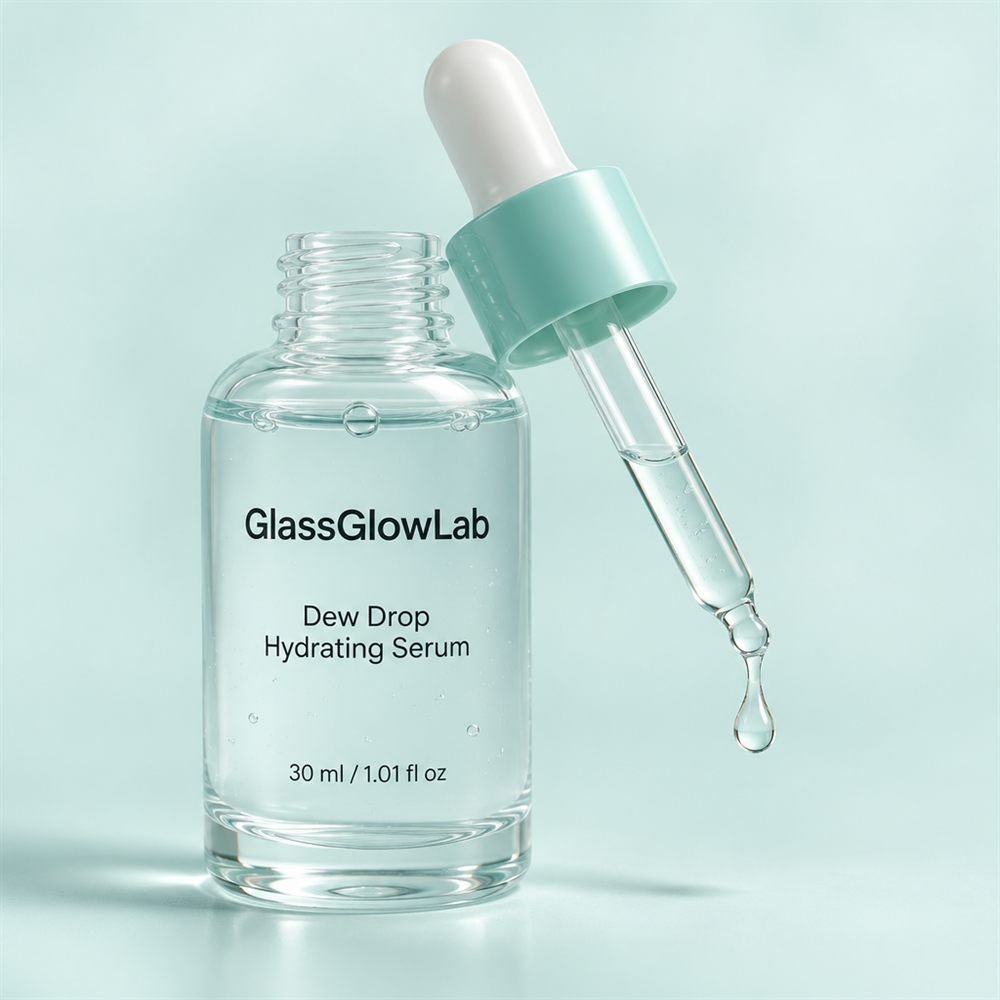
From our shop: Dew Drop Hydrating Serum ($24) combines sodium hyaluronate with glycerin and panthenol.
Patch-test before you start. Apply a small amount to a discreet area, such as behind the ear, the side of the neck or the inner forearm, once a day for several days. Mild, brief tingling can be normal with some actives. If you notice burning, swelling, itching, blistering or a rash, wash it off and stop using the product. A patch test lowers the risk of a reaction but can't rule one out, so introduce one new product at a time.
FAQ
Is glycerin better than hyaluronic acid?
Not better, just different. Glycerin is a very well-studied, reliable humectant. Hyaluronic acid feels lighter and bouncier. Many formulas use both.
Can I use hyaluronic acid and glycerin together?
Yes. They work well together, and many serums and moisturizers already combine them.
Can glycerin clog pores?
Glycerin isn't generally considered pore-clogging. Breakouts after a new product are more likely due to other ingredients in the formula.
Why does my hyaluronic acid serum make my skin feel tight?
Usually because it was applied to dry skin, or not sealed with moisturizer in dry air. Apply it to damp skin and follow with a cream.
References
- Fluhr JW, Darlenski R, Surber C. Glycerol and the skin: holistic approach to its origin and functions. British Journal of Dermatology. 2008;159(1):23–34.
- Papakonstantinou E, Roth M, Karakiulakis G. Hyaluronic acid: a key molecule in skin aging. Dermato-Endocrinology. 2012;4(3):253–258.
Related articles


Disclaimer: The content on GlassGlowLab is for educational purposes only and is not medical advice. It is not a substitute for advice from a qualified dermatologist or doctor. Individual results vary. Always patch-test new products and consult a professional if you have a skin condition, are pregnant or breastfeeding, or take medication.