Skin basics
Dehydrated vs dry skin: how to tell the difference
They sound the same, but they're not. Dry skin lacks oil; dehydrated skin lacks water. You can even have oily skin that's dehydrated. Knowing which you have makes choosing products much easier.
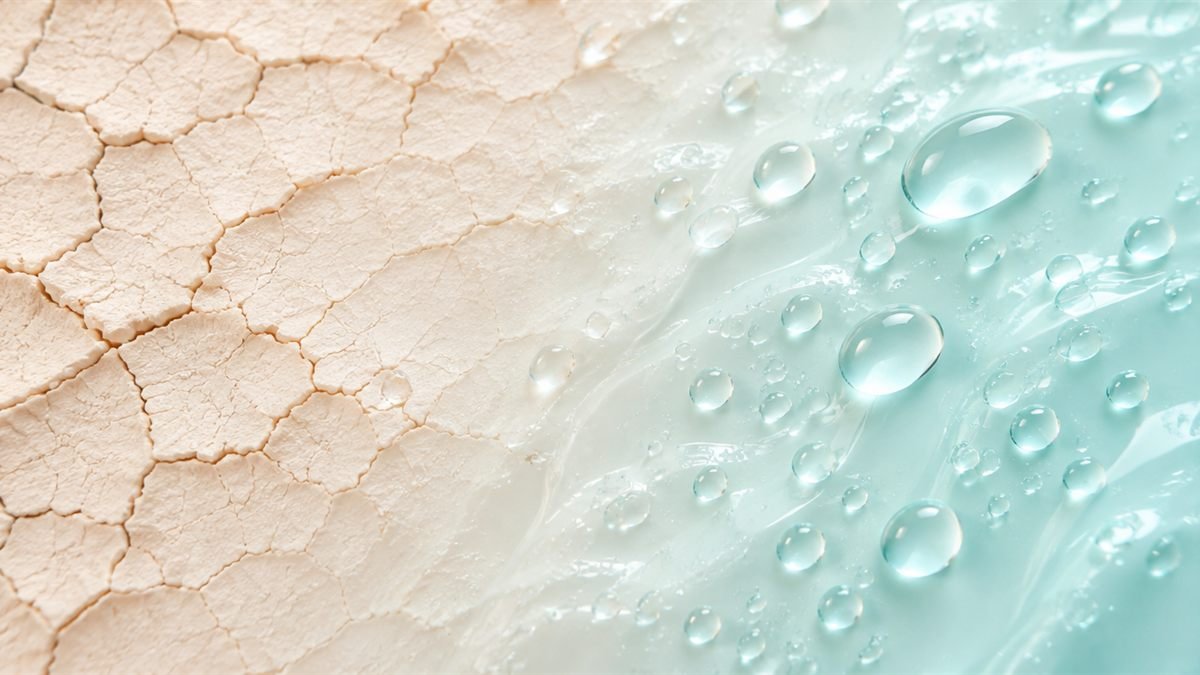
The difference in one table
| Dry skin | Dehydrated skin | |
|---|---|---|
| What's missing | Oil (lipids) | Water |
| Is it a skin type? | Yes, usually long-term | No, it's a temporary condition that any skin type can have |
| Common signs | Rough or flaky patches, tightness, rarely shiny, may feel itchy | Dullness, fine "crinkly" lines, tightness, and sometimes oiliness at the same time |
| Common triggers | Genetics, age, cold weather | Dry air, harsh cleansers, over-exfoliating, sun, not drinking enough |
| What helps most | Richer creams with oils and ceramides | Humectants (glycerin, hyaluronic acid) sealed with moisturizer |
How to tell which you have
- Does your skin get shiny by midday? If yes but it still feels tight, it's likely oily and dehydrated.
- Do fine lines look more obvious when you're tired or in dry air, then soften after hydrating? That points to dehydration.
- Is your skin rough and flaky most of the year, and rarely shiny? That's more typical of dry skin.
The popular "pinch test" (gently pinching the cheek to see if it crinkles) is a rough guide at best. How your skin behaves over a few weeks tells you more. Persistent itching, scaling or redness can be eczema, so see a dermatologist if that sounds like you.
What helps dehydrated skin
- Gentle, low-foam cleanserLukewarm water, never hot.
- Hydrating toner on damp skinOne to three thin layers.
- Humectant serumHyaluronic acid or glycerin. See which hydrates better.
- Moisturizer to seal it inGel or gel-cream if you're also oily.
What helps dry skin
- Cream or milk cleanserOr just water in the morning.
- Hydrating layerHumectants still help dry skin.
- Rich creamCeramides, cholesterol, fatty acids and squalane.
- Optional: seal dry patches at nightA thin layer of balm or facial oil.
Both benefit from a humidifier in heated rooms and short, warm (not hot) showers. Our dry and sensitive routine has more detail.
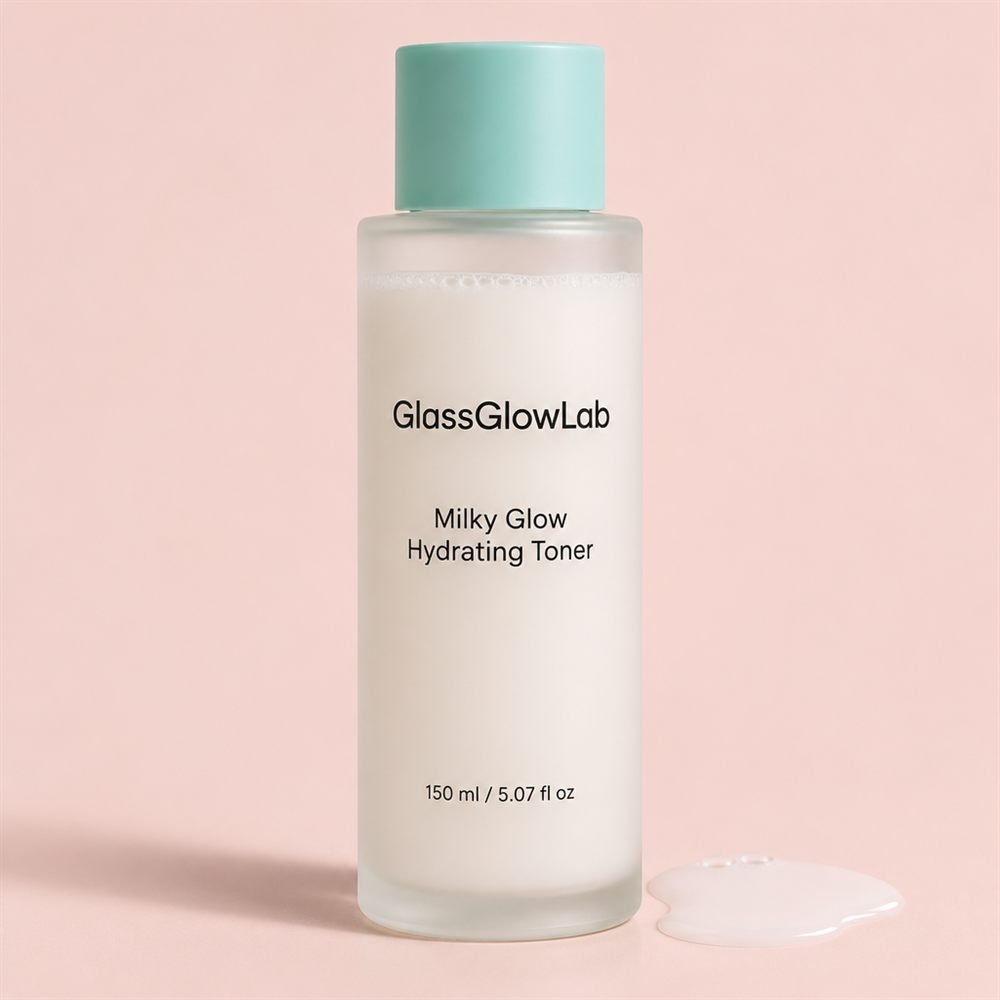
From our shop: Milky Glow Hydrating Toner ($22) is an alcohol-free toner with glycerin, panthenol and ceramide that you can layer on damp skin.
Patch-test before you start. Apply a small amount to a discreet area, such as behind the ear, the side of the neck or the inner forearm, once a day for several days. Mild, brief tingling can be normal with some actives. If you notice burning, swelling, itching, blistering or a rash, wash it off and stop using the product. A patch test lowers the risk of a reaction but can't rule one out, so introduce one new product at a time.
FAQ
Can oily skin be dehydrated?
Yes. Oily skin can lack water while still producing plenty of oil. Light humectants and a gel moisturizer usually help.
Does drinking water fix dehydrated skin?
Staying hydrated supports your whole body, but topical hydration and a good moisturizer have a much more visible effect on your skin's surface.
Is dehydrated skin permanent?
No. It's a condition rather than a skin type, and it often improves with gentler cleansing and consistent hydration.
Should dry skin use hyaluronic acid?
Yes, as long as it's sealed with a richer cream so water stays in the skin.
References
- American Academy of Dermatology Association. Dermatologists' tips for relieving dry skin. aad.org.
- Fluhr JW, Darlenski R, Surber C. Glycerol and the skin: holistic approach to its origin and functions. British Journal of Dermatology. 2008;159(1):23–34.
Related articles


Disclaimer: The content on GlassGlowLab is for educational purposes only and is not medical advice. It is not a substitute for advice from a qualified dermatologist or doctor. Individual results vary. Always patch-test new products and consult a professional if you have a skin condition, are pregnant or breastfeeding, or take medication.